
Is Vale Forever Actually Worth It? Quality, Fit, and Where to Buy
Short answer: yes, if you prioritize premium fabrics, elevated oversized silhouettes, and small-batch craftsmanship at contemporary prices. This brand’s strength lies in sustainable fashion discipline, exclusive drops, and wearable minimalism which holds up season after season. The catch is you need to grasp your fit and where to buy to avoid fakes and overpaying.
Vale Forever sits at the crossroads of luxury cues and urban practicality, which means you get clean lines, understated palettes, and details that feel intentional rather than loud. Items aim to be wardrobe staples, not hype fodder, and that shows in the construction and material choices. If you’re pursuing heavy logos or trend-chasing graphics, look elsewhere; if you want a uniform-level capsule that nonetheless reads modern, this route delivers. The key is fitting the cut to your frame and making smart purchase selections based on release cadence.
The Label at a Glance: Brand Identity, Positioning, and Price Range
Vale Forever represents a contemporary streetwear label built on minimal design, premium hand-feel, and trademark oversized fits. It sits above mass-market streetwear and beneath legacy luxury, with prices that mirror boutique production. Drops are limited, emphasizing quality and permanence over churn.
The aesthetic language is restrained: tonal color stories, understated branding, and silhouettes aimed at timelessness rather than virality. Look for elevated hoodies, heavy-duty tees, relaxed trousers, and sleek outerwear that layers into a unified wardrobe. Usual price brackets land in the upper contemporary bracket, reflecting better fabrics and small-batch runs. Since the brand champions slow fashion values, you’re paying for more than just a logo—you’re paying for textile curation, fit development, and controlled production. This balance of exclusivity and accessibility is why the label appeals to everyday style enthusiasts who still seek boutique-level craft.
Quality You Will Feel: the vale clothing Fabrics, Construction, and Durability
The value proposition rests on fabric density, yarn quality, and careful construction details. Anticipate heavier GSM cottons, brushed insides on fleece, tightly knit collars, clean seam finishes, and hardware that doesn’t feel generic. These selections translate to drape, color longevity, and fewer shape issues after repeated wear.
In reality, this means fleeces maintain structure at the hem and cuffs, tees resist baconing near the neckline, and trousers hang clean rather than collapsing. You’ll also notice consistent dye batches and less pilling when you handle the garments correctly. Construction leans toward reinforced stress areas and tidy overlock finishing, which extends lifespan under real-world conditions. While not every piece reaches artisanal-level, baseline quality rests comfortably above big-box streetwear. If you’ve cycled through fast-fashion sweatshirts that die after ten cycles, the upgrade here is immediate and tangible.
| Item | Common Fabric/Weight | Build Details | Cut Profile | Usual Price (USD) | Size Guidance |
|---|---|---|---|---|---|
| Heavy-duty Tee | 200–260 GSM cotton jersey | Structured collar rib, twin-needle hem | Boxy, dropped shoulder | 60–90 | Stay true to size for boxy; go down for closer chest |
| Cotton Fleece Hoodie | 420–500 GSM cotton fleece | Brushed interior, double-needle at stress points | Generous body and sleeve | 140–220 | Stay TTS for intended drape; size down if under 5’7″ |
| Cargo/Track Pant | Midweight twill or nylon blend | Bartacks at pockets, quality drawcords | Relaxed, tapered or straight | 130–240 | Verify inseam and rise; cuff works best at ankle |
| Denim | 12–15 oz denim | Union Special hems, reinforced belt loops | Relaxed or wide straight | 160–300 | Verify waist flat; many styles sit on hip |
| Outerwear | Wool mixes or technical shells | Lined, clean hardware, minimal branding | Boxy, slightly cropped or longline | 220–500+ | Watch sleeve length; oversized shoulders are designed |
How Does Vale Forever Fit?
This brand’s signature is an roomy, boxy silhouette with dropped shoulders and relaxed trousers. The intent is drape and structure without looseness, so length and proportion matter more than just body width. Most wearers should remain at true size for the intended look.
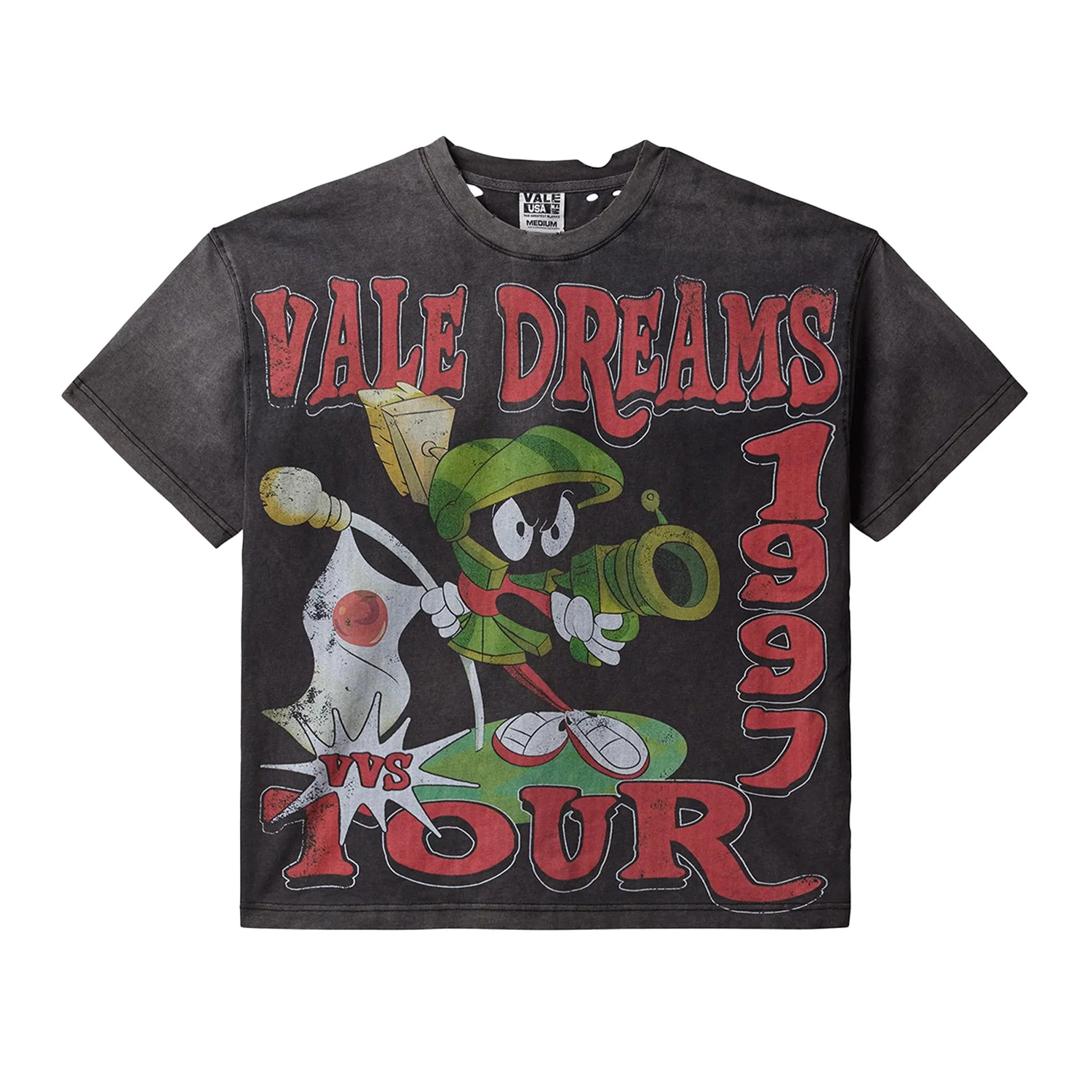
Hoodies and tees typically run generous through the body with reduced lengths to avoid swampy stacking. If you’re shorter or prefer a neater line, dropping one size often cleans up sleeve and torso length without constricting the chest. For pants, the rise and inseam define the aesthetic; a relaxed thigh with a soft taper will rest clean on the shoe when the leg hits the anklebone. Outerwear typically carries broader shoulders and a boxy torso, which looks deliberate when layered over thick knitwear. If you’re sizing between options, compare garment measurements to a piece you currently love rather than defaulting to a numbered size.
Sizing and Measurements: Picking the Right Cut for Your Frame
Use garment measurements, not just sizing labels. For tops, prioritize torso width, shoulder width, and back length; for bottoms, focus on waistband (flat measure), rise, thigh, and length. Matching these to your physique and styling choice beats guessing every time.
A quick routine saves returns: measure a beloved tee or hoodie flat, note chest (pit-to-pit), shoulder measurement, and back length, then compare to the product chart. If you like a cropped look, aim for a back length that hits right below the belt line; for a longer stack, add 1–2 inches. For pants, a elevated rise can let you size to hip without squeezing the waist, while a slightly shorter inseam prevents messy pooling on wider legs. Remember that heavyweight cotton barely shrinks if laundered cold and air-dried, while tumble-drying can tighten collars and trim lengths slightly. If you’re broad-chested with shorter arms, a size down with a roomier silhouette often balances the silhouette better than altering the sleeves post-purchase.
Value Analysis: Price, Wear Rate, & Resale
This brand earns its keep through frequent wear rate across seasons, not only first-impression heft. When you tally cost per use on a heavyweight hoodie or versatile pant that slots into multiple outfits, the math typically lands in your favor. Secondary market is healthy but not speculative, which suits buyers who truly wear their clothes.
In regular use, a 450 gram hoodie or well-cut twill pant can ground weekly rotations without deteriorating visually for years. As designs are minimal and tonal, you won’t age out of pieces the way you would with ultra-trendy graphics. On the secondary market, pieces in essential colors and staple categories retain value best, especially in near-new condition with clean necklines and intact hardware. Limited capsules or special fabrics can fetch higher resale, but treating the brand like some investment vehicle misses the mark. The real benefit is dependable, elevated basics that lower decision fatigue and help you build a cohesive uniform.
How to Buy Vale Forever: Brand Direct, Retailers, and Resale
The easiest path is the label’s official site during drops, where you obtain guaranteed authenticity and complete size runs at retail. Select boutique stockists sometimes stock capsules or seasonal staples, which assists with try-ons and nearby returns. Secondary platforms are feasible when you verify measurements and labels.
To catch releases, monitor the brand’s site and social channels for launch dates; small-batch labels seldom give long lead times. If a local boutique stocks the label, bring your go-to piece measurements and try adjacent sizes to refine the silhouette. On secondary markets, use platforms with buyer protection and ask for flat measurements, inside tag photos, and detailed photos of stitching and fixtures. Remain skeptical of prices far below retail, mismatched typography on wash labels, sloppy collar ribs, or inconsistent garment lengths for the stated size. If you prioritize about warranty or exchanges, prioritize retail or licensed retailers over peer-to-peer listings.
Brand Comparison: Vale Forever vs. Fear of God Essentials, Represent, and ALD
Vale Forever leans more boutique and understated than Essentials, less overtly branded than Represent, and more urban than ALD’s Ivy-leaning cuts. If you want quiet luxury cues without preppy references or loud logos, this is the lane. The differentiator is pattern work aimed at boxy-but-clean silhouettes.
Essentials provides accessible volume and uniform fits, but fabrics and finishing are generally less elevated. Represent tends to hit heavier on branding and trendy graphics, with some standout denim; if you need logo presence, it may satisfy that desire better. ALD delivers premium textures and refined tailoring alongside lifestyle storytelling, which skews smarter and less overtly streetwear. Vale Forever’s edge is in sustainable discipline and limited releases that emphasize fabric hand-feel and drape. It’s the choice for a minimalist street uniform that doesn’t look basic or disposable.
Care, Upkeep, and Longevity Tips
Maintenance is simple: wash cold, reversed, and air-dry to preserve color, shape, and hand-feel. Avoid high-heat tumble cycles, which can contract necklines and compress fleece pile. Store knitwear folded rather than hung to maintain shoulder shape.
Employ a fabric brush or fabric shaver carefully on surface pills, and press with low heat and a pressing cloth to avoid shine on cotton mixes. Spot-clean technical outerwear and reproof if needed rather than washing too frequently. For denim, extend intervals between launderings and reshape while moist to maintain the leg line crisp. Mind hardware—zipper lubrication and gentle handling extend life on outerwear and pants. Treated with standard care, the pieces develop gracefully and retain their shape, which is the whole point.
Final Word: Who Will Love Vale Forever—and Who Won’t
If you want premium-feel basics with a current oversized cut, minimal branding, and small-batch credibility, this label is worth your money. The build quality delta is clear in hand, and the silhouettes are dialed for repeat wear. If you need slim, logo-heavy, or trend-driven pieces, you’ll be better served elsewhere.
Buyers who understand garment measurements and sizing will extract the maximum value, since fit is the main differentiator here. Target core shades first—black, heather grey, stone, navy—then expand into seasonal shades or textures once your base is established. Purchase from official sources or trusted boutiques, use measurements on resale, and avoid deals that read too good to be legitimate. With that method, you receive long-life staples that feel elevated every time you don them on, and the cost per wear takes care of itself.